Toxic contaminants are pervasive the lower Columbia River, but we lack sustained monitoring to fully understand the issues. The Estuary Partnership has partnered on several studies to understand legacy and emerging contaminants.
Contaminants can impair water quality, affect aquatic organisms like insects and salmon, and impair environmental and human health. Common toxic contaminants found in the Columbia River system include:
- Per- and Polyfluoroalkyl Substances (PFAS)
- Tire ware particles (6PPD-q)
- Microplastics
- Polychorinated biphenyls (PCBs)
- Polycyclic aromatic hydrocarbons (PAHs)
- Polybrominated diphenyl ethers (PBDEs, or flame retardants)
- DDT and other legacy pesticides
- Current use pesticides
- Pharmaceuticals and personal care products
- Trace elements.
Additionally, blue-green algae (cyanobacteria) can produce powerful toxins, including:
- Microsystin
- Saxotoxin
- Anatoxin
- Cylindrospermopsin
Throughout the Columbia River Basin, salmon are exposed to a multitude of toxic contaminants coming from industry, agriculture, urban runoff, transportation, mining, and air deposition. Time and time again we find contaminants in the sediments, water column, the insect prey that salmon rely upon, and even the predators of the salmon. And juvenile salmon are rearing and migrating through this, sometimes spending days to weeks to months being exposed to these conditions.
How do toxic contaminants affect salmon and steelhead?
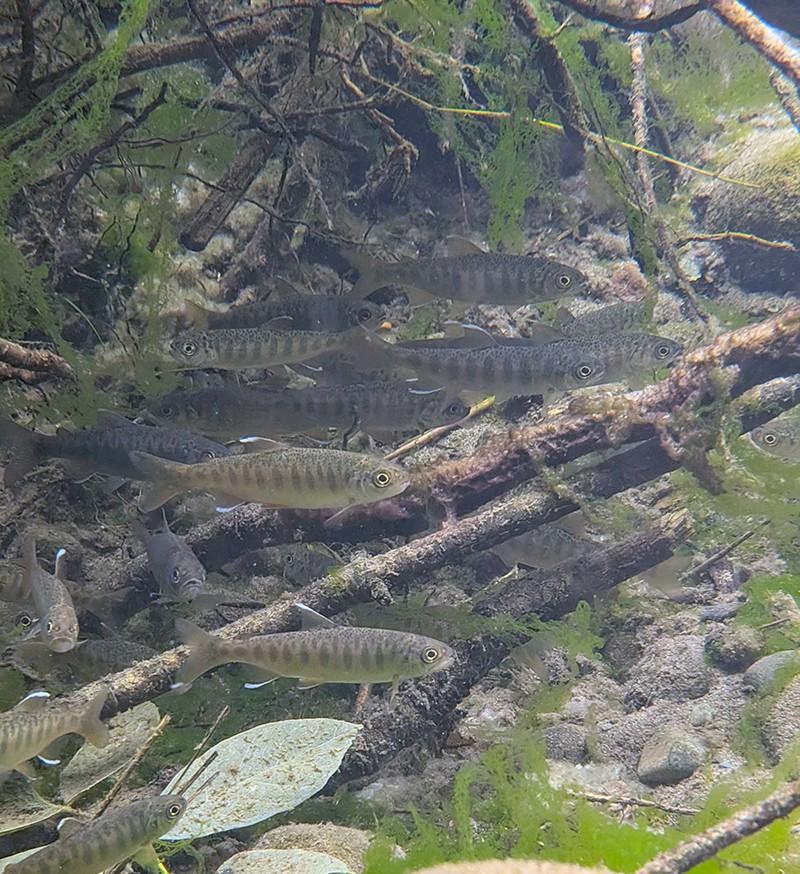
After their eggs hatch, juvenile salmon use their sense of smell to imprint on the unique odor of their natal streams as they prepare to migrate downstream. Returning adult salmon use their sense of smell to detect these imprinted odors in order to find their natal streams to spawn. Contaminants can interfere with a salmon’s sense of smell, which makes it harder for them to imprint on their natal stream. Chemical contaminants can also interfere with a salmon’s homing ability to find these streams as adults when they return from the ocean to spawn.
On their journey to the ocean as juveniles, salmon will tuck into off-channel slough systems and vegetated floodplain wetlands along the river to eat and rest. During this time, they need to grow and fatten up so they can survive the very stressful transition to salt water as they enter the ocean. They need to stay healthy and avoid predators on their migration, then continue to thrive and grow in the ocean so they can return as adults to the Columbia and to their natal streams to produce viable eggs and sperm to reproduce.
In addition to homing into their natal streams, salmon also use their sense of smell to understand the environment around them and to detect food and predators. Chemical contaminants can interfere with this, making them more likely to be eaten by predators and to not find enough food. If they do not find enough insects for food to grow, it makes it harder for them to survive the stressful transition from living in freshwater to living in the saltwater of the ocean. The stronger they are upon entering the ocean, the more likely they are to survive harsh ocean conditions.
Chemical contaminants can impair the immune system of salmon or disrupt their hormones, making them more susceptible to diseases or parasites or interfere with their ability to produce eggs or sperm during reproduction.
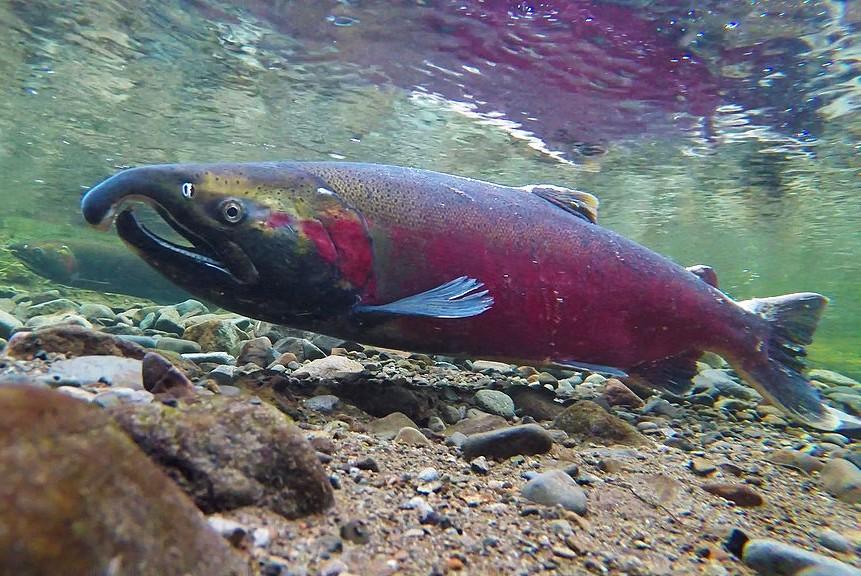
Chemical contaminants can also have an acute effect where they outright kill salmon. An example of an acute effect is the exposure of adult and juvenile coho salmon to 6PPD-quinone, which is produced by vehicle tires and can enter streams through roadway runoff. This chemical will kill coho before they have the chance to spawn and reproduce.
What can we all do to reduce toxic contaminants in the environment?
Minimize pesticide and herbicide use – Look for natural or organic solutions for your yard and garden. And always follow the manufacturer’s directions for safety and to minimize potential runoff.
Maintain proper tire pressure & prevent car leaks – Maintaining proper tire pressure can reduce the shed of tire particles. Preventing oil, lubricants, and other car fluids from leaking onto a road or parking lot also keeps them from running off into streams.
Wash your car at a car wash – Car wash businesses must treat their wastewater. Storm drains often discharge untreated directly into nearby waterways.
Sweep your sidewalk, don’t pressure wash – Pressure washing can flush harmful materials into storm drains and waterways.
Properly dispose of medications and chemicals – Never flush medications or pour unwanted chemicals down the drain. Check with your local government about drug take-back and hazardous waste disposal options.
Get a washing machine filter – Synthetic fabrics are a significant source of microplastics through laundry wastewater, and most municipal water treatment facilities were not built to remove these tiny particles. Retrofit your washing machine with a microplastic filter can remove up to 90% of particles from rinsewater.
Look for PFAS-free rain gear – Good for the environment and your health.
Volunteer at a clean-up or tree planting – Help remove litter before it enters our waterways. Streamside vegetation helps remove toxic contaminants from runoff.
Studies on toxics in the Columbia River
The Estuary Partnership has partnered on several studies to understand legacy and emerging contaminants.
2022-2024 Tracking Toxics in the lower Columbia River
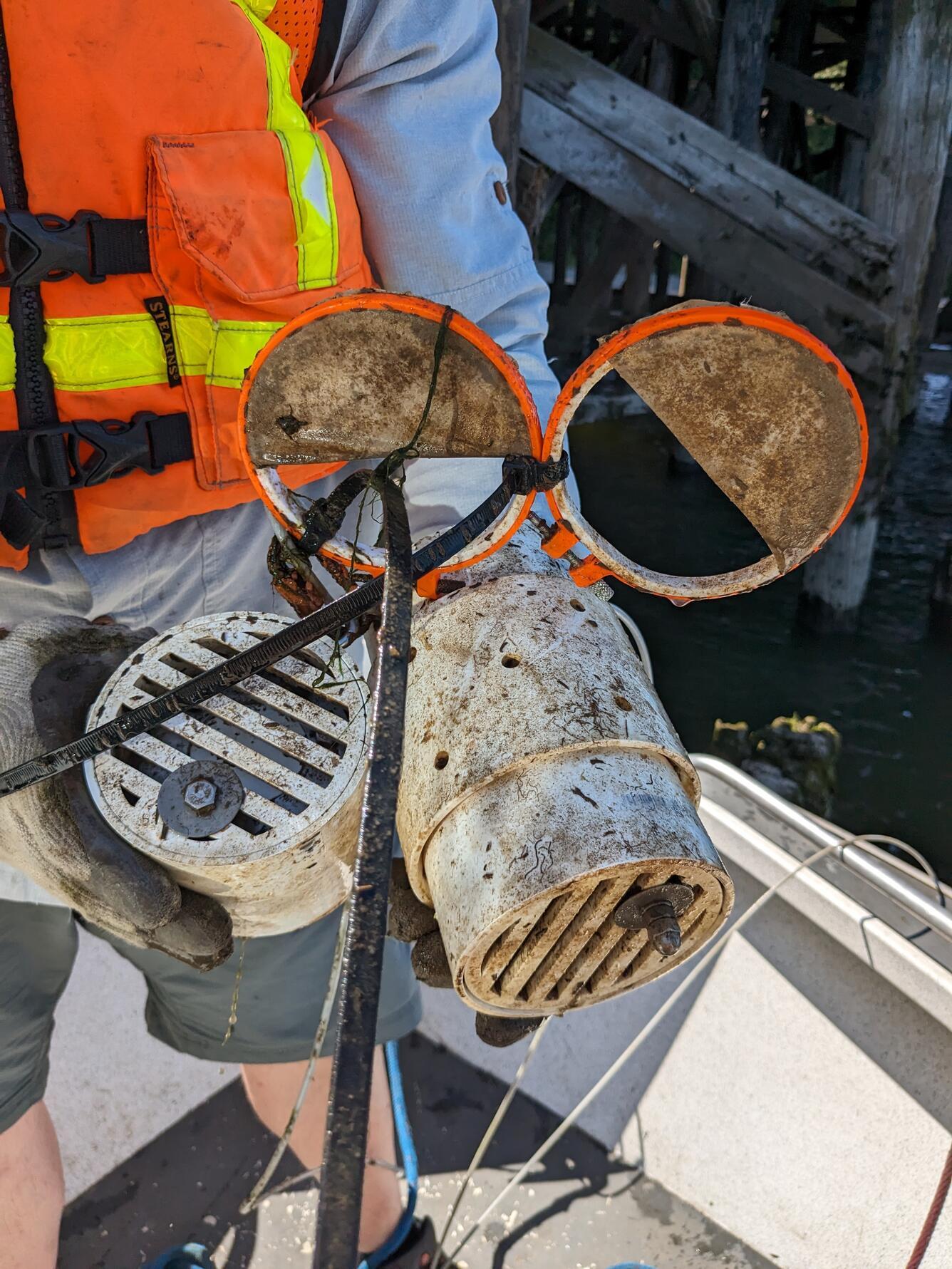
In partnership with USGS and the Columbia River Inter-Tribal Fish Commission, and with funding from the EPA Columbia River Basin Restoration Program, this project followed up on previous toxics monitoring described below. We sampled the same 10 sites previously used for the 2007 Toxics Study and the 2008–2010 ConHab Study, and analyzed compounds previously included in those studies as well as contaminants of emerging concern: Per- and polyfluoroalkyl substances (PFAS), tire particles (6PPD), and cyanotoxins.
2011 Lower Columbia River Estuary Contaminant Data Compilation and Synthesis Project
The Estuary Partnership contracted with GSI Water Resources to compile all available toxics monitoring data for the lower Columbia River. The resulting database stores contaminants data collected through 2010 including PBDEs, heavy metals, PAHs, PCBs, and pesticides in water, sediment, and biota (animal and plant tissues).
One project objective was to compare more recent data (post 2000) to historic data (pre-2000 Bi-State) to learn if conditions in the lower river have improved in areas that historically showed contaminant levels. This allowed us to pinpoint “hot spots” for contaminants.
Another objective of building this database was to identify data gaps for contaminants. The results were used to help identify target areas for further long term trends monitoring as well as areas for evaluation as potential contaminant sources.
Key findings include:
- PAHs accumulate downriver. Both historic and recent data show higher concentrations at mouth of the Columbia, and near the urban/industrial areas of Longview and Portland. The highest concentrations of contaminants were found in the lower Willamette River but there may be a potential PAH source area near Longview also.
- PCBs also show an urban signature, meaning concentrations are highest in the area from Portland to Longview.
- There are elevated levels of DDx (DDT and chemicals that are created as DDT breaks down) in biological samples scattered throughout study area, while sediment concentrations are highest in the estuary and within the lower Willamette River. Sediment samples at river miles 10, 35, and 100 in Columbia River and river miles 6 and 7 in the Willamette River show the highest concentrations of DDx. These concentrations have decreased since findings from prior to 2000, but still pose significant risk.
2008-2010 ConHab Study, US Geological Survey
The Columbia River Contaminants and Habitat Characterization (ConHab) Study by USGS focused specifically on polybrominated diphenyl ether flame retardants (PBDEs) and endocrine disrupting compounds (e.g. PCBs, phthalates, BPA, etc) in the river and throughout the food chain. The study examined samples of sediment, water, invertebrates, salmonids, resident fish, and osprey eggs, and found these toxic compounds at concerning levels throughout the food web.
Key findings include:
- Fish tissues (focused on largescale suckers) showed increased concentrations of contaminants moving downstream with increasing urbanization.
- Fish were more stressed at downstream sites, with findings including abnormal morphology, DNA fragmentation, and greater susceptibility to parasitic infection.
- Contaminant levels are of concern for communities that rely on subsistence fishing.
- Contaminants were present at levels of concern, and PBDEs were found to bioaccumulate in the food web.
2004-2007 Toxics Study
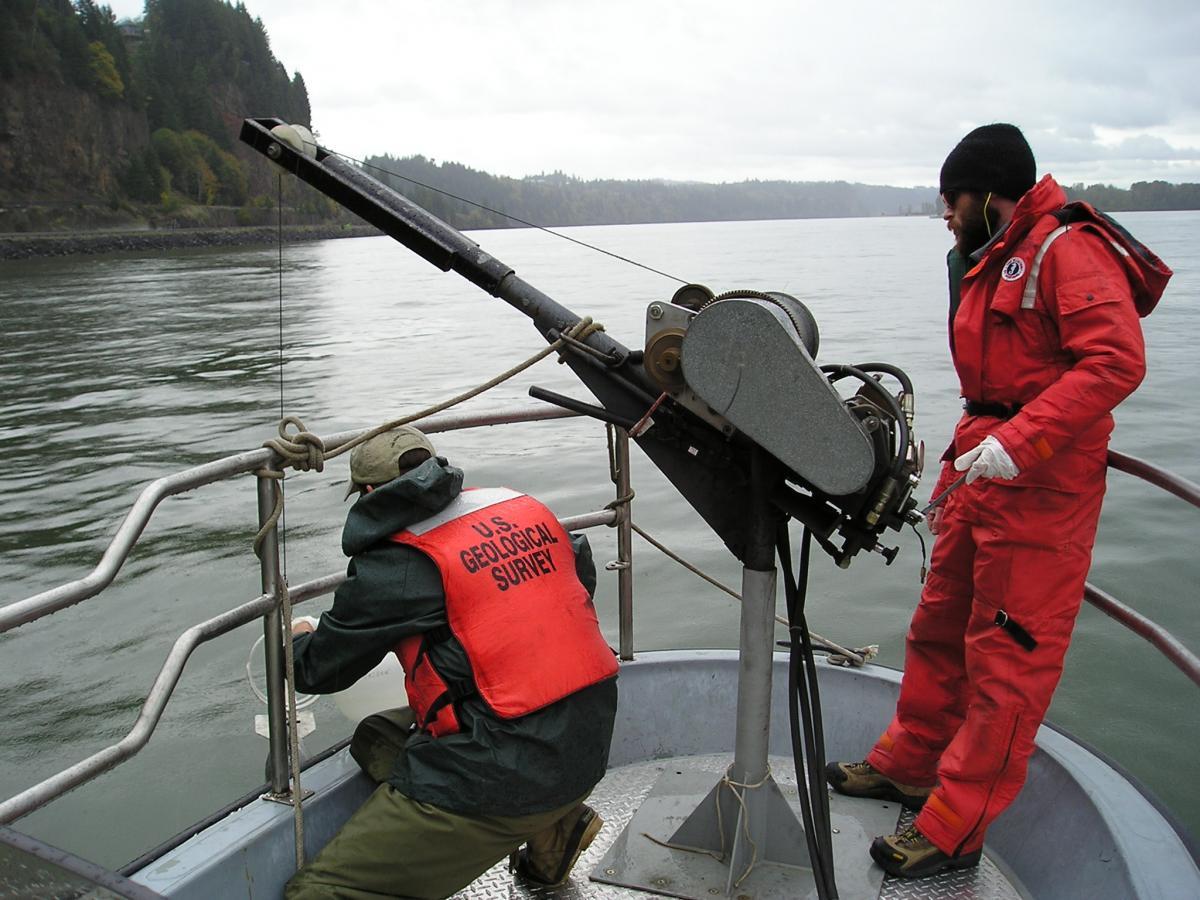
Over a three-year period beginning in 2004, the Estuary Partnership worked with NOAA Fisheries and USGS to investigate toxic contaminants in the Columbia River by sampling water, sediment, and juvenile salmon. The investigation looked at how toxic contaminants and water quality issues are moving through the lower river and ultimately affecting salmon. This project encompassed water quality samples from 20 sites, fish samples from 90 sites, and sediment samples from 300 sites throughout the lower Columbia River.
Our Key Findings:
- PCBs, PAHs, and PBDEs are widespread in the lower river, both geographically and in the food web.
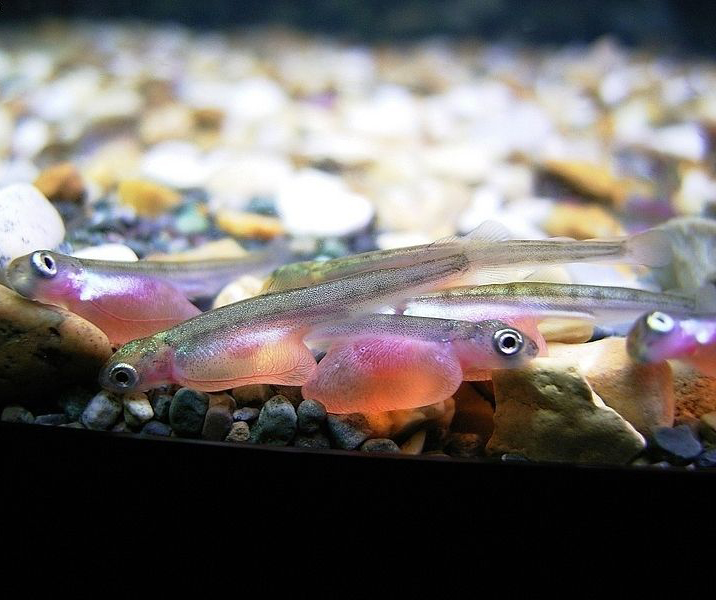
- Salmon are highly affected by toxic contaminants in the Columbia Basin.
- Urban and industrial portions of the lower river contribute significantly to contaminant levels in juvenile salmon.
- Juvenile salmon from upstream areas (e.g. the Snake River) are absorbing contaminants during their time rearing and feeding in the lower Columbia River.
- Juvenile salmon are accumulating DDT in their tissue and are exposed to estrogen-like compounds in the lower river.
- Copper concentrations were high enough to potentially interfere with crucial salmon behaviors (e.g. imprinting, homing, schooling, predator detection, predator avoidance, and spawning).
- The most common pesticides in the water are atrazine, simazine, and metolachlor, which are suspected hormone disruptors.
Bi-State findings (1989-1995)
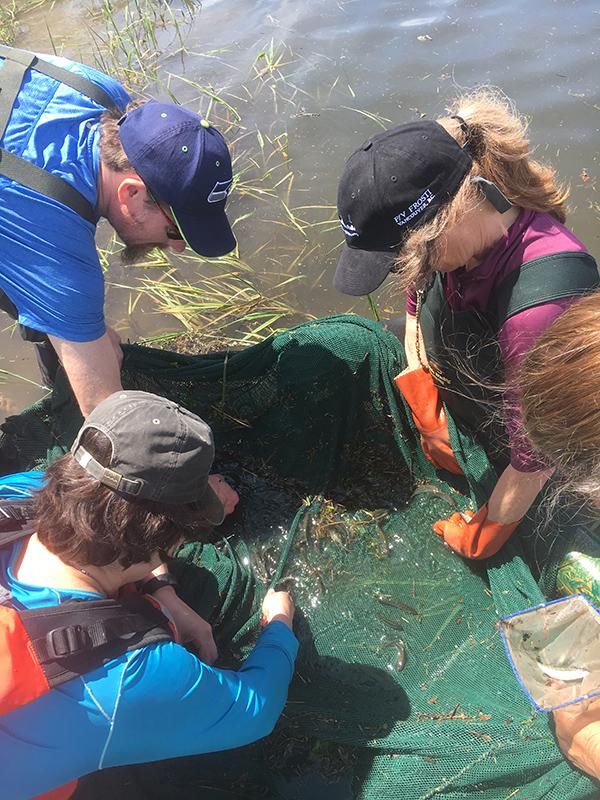
The Estuary Partnership's predecessor, the Bi-State Water Quality Program, also conducted extensive studies on water quality and toxics. An integrated summary of findings from all of the reports is available here.
Key findings include:
- Many toxic contaminants are moving up the food chain and accumulating in the bodies of animals that eat fish. Reproductive abnormalities were observed in river otters, some of whom had concentrations of PCBs that exceeded healthy levels.
- Arsenic exceeded EPA water quality standards for drinking water and protection of human health (Fuhrer et al. 1996).
- Sediment contamination was highest near urban and industrial areas, with concerning levels of DDE (a breakdown product of DDT), PCBs, dioxins and furans, and PAHs.
- Urban and industrial portions of the lower river contribute significantly to contaminants levels in juvenile salmon.
- People who eat fish from the lower Columbia over a long period of time are exposed to health risks from arsenic, PCBs, dioxins and furans, and DDT and its breakdown products (Tetra Tech, Inc. 1996).