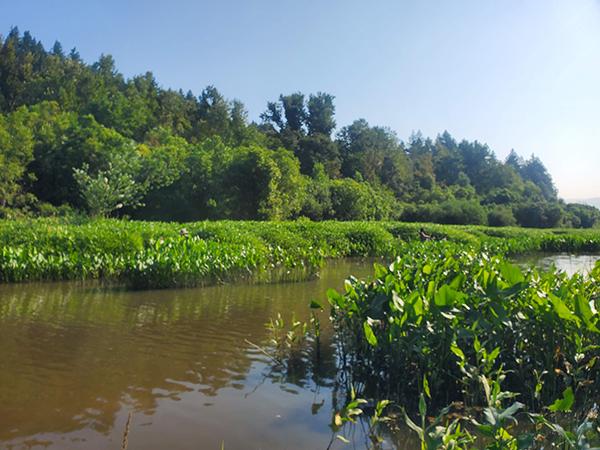
The main goal of the Ecosystem Monitoring Program is to collect baseline information on habitats used by migrating salmon. Research began in 2011 and focuses on five minimally disturbed tidal wetland sites in the lower Columbia River: Ilwaco Slough, Welch Island, Whites Island, Campbell Slough, and Franz Lake (left).
More specifically, this program aims to:
- Inventory different types of habitats.
- Track ecosystem and hydrology trends in these habitats.
- Provide reference sites: ideal end points for habitat restoration projects.
- Analyze how management actions impact the broader Lower Columbia ecosystem.
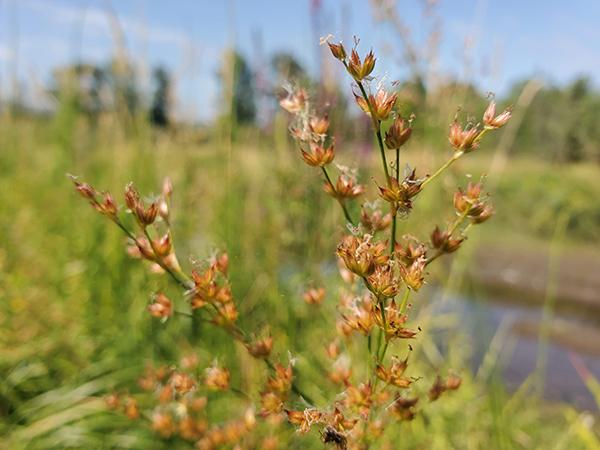
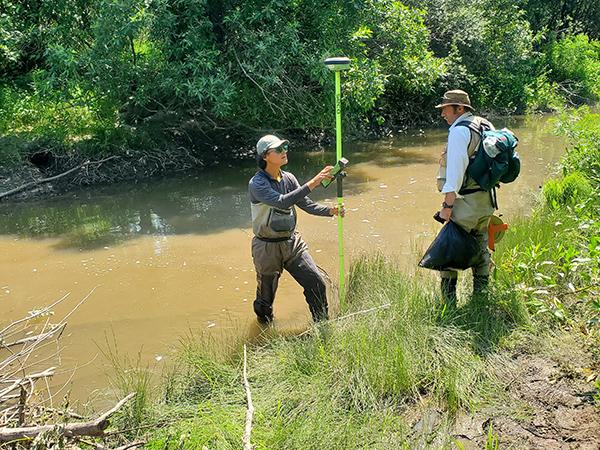
Data is collected on fish and fish prey, habitat, hydrology, food web, abiotic site conditions, and mainstem river conditions. Much of our data can be found and explored through our Tableau dashboard, also available at the bottom of this page.
The most recent results and management implications can be found in the most recent report. Older reports are located in our Research Database.
This program is funded by Bonneville Power Administration.
Lower Columbia Ecosystem Metabolism and the Salmon Foodweb
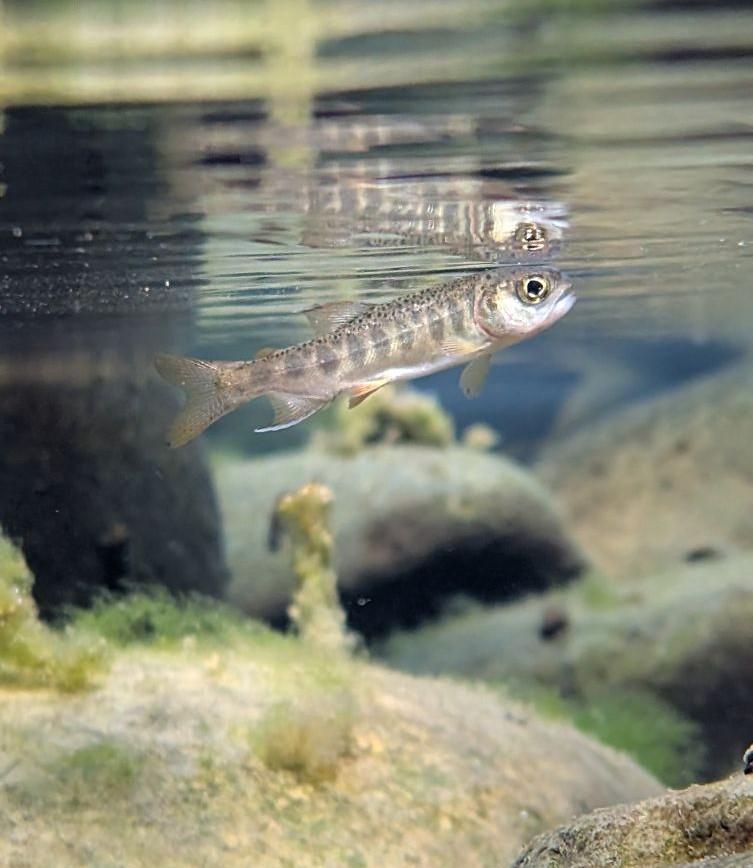
Changes to the lower Columbia River have profoundly altered the salmon foodweb. Historically, floodplains along the lower Columbia were connected to and flooded by the river during high water events like the spring freshet. Juvenile salmon and steelhead would seek out these habitats in search of food and refuge as they outmigrated to the Pacific Ocean. During the winter and spring floods, macroinvertebrates and detritus from these floodplains would flush into the mainstem, providing food resources to those salmonids who outmigrated quickly through the lower Columbia.
The loss of the connection between floodplain habitats and the river through widespread levee construction, along with the dampening of the spring freshet by the hydropower system, are thought to have dramatically changed the juvenile salmon foodweb in the lower Columbia. Except for those areas where intact and connected native floodplain habitats remain or were restored, the base of the juvenile salmon foodweb is now primarily made up of plankton—tiny organisms like diatoms that contain far fewer calories for salmon than macroinvertebrates.
Also, too many plankton can indicate a system that is trending towards nutrient enrichment, which can harm instream habitat conditions for many organisms, including salmon. Harmful algal blooms and hypoxia (low dissolved oxygen) can form in waterbodies with high nutrients, long residence time, and warm temperatures.
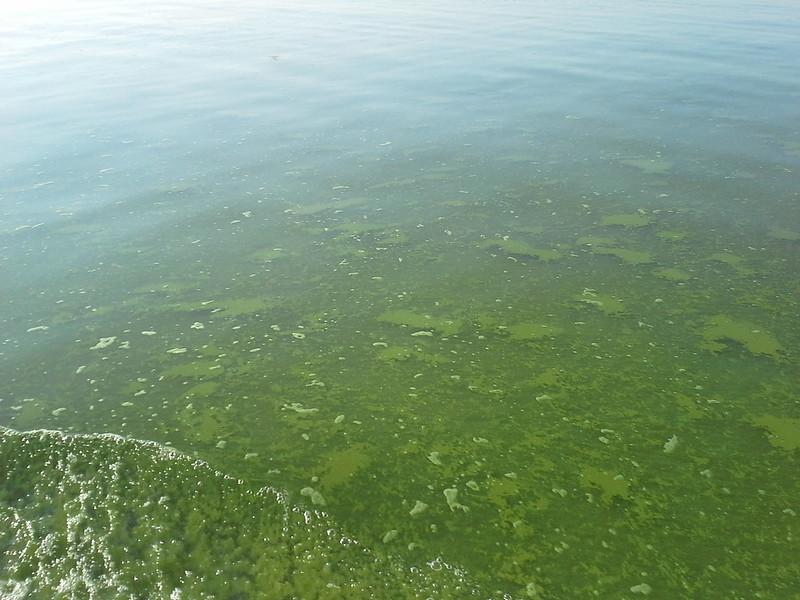
Researchers at Oregon Health & Science University working under the Ecosystem Monitoring Program documented that the foodweb in the lower Columbia is primarily plankton-based using an analysis looking at net ecosystem metabolism. Ecosystem metabolism is an indicator of the balance between photosynthesis and respiration. When net ecosystem metabolism is greater than 1, the system is dominated by primary production, or photosynthesis; conversely, if the metabolism is less than 1, the system is dominated by respiration. Most rivers have metabolism levels that are very negative because of the flush of organic material from floodplain habitats during precipitation and flooding events that can dampen primary production and plankton blooms.
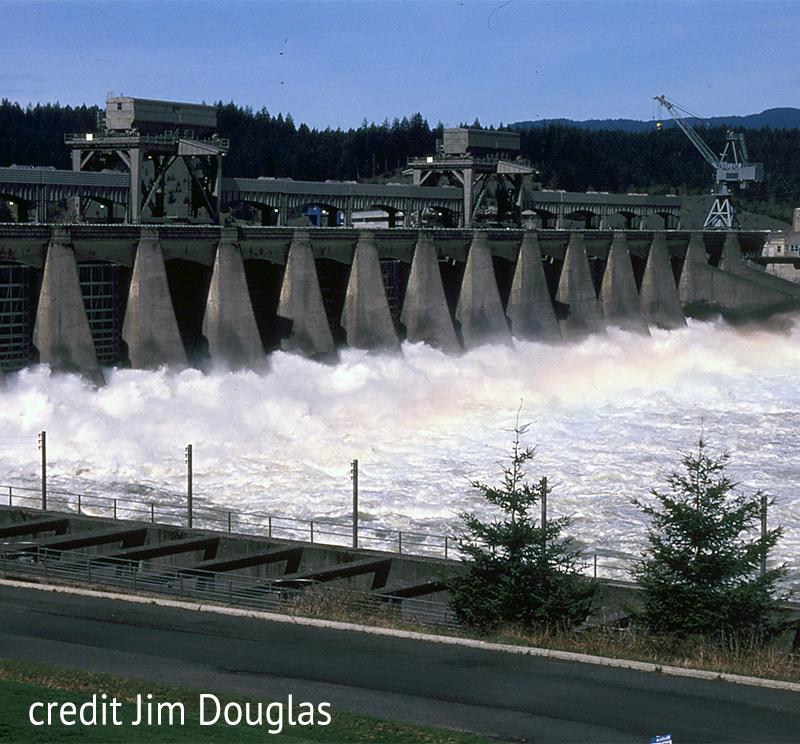
The Columbia is a different kind of river. Largely because of the system of dams with impoundments that function like lakes, the river has much greater primary production than many large rivers. Our researchers found very positive net ecosystem metabolism values. These results continue to raise concerns for the juvenile salmon foodweb and instream habitat conditions in the lower Columbia River while heightening the critical importance for reconnecting floodplain habitats!