Toxic contaminants are pervasive the lower Columbia River, but we lack sustained monitoring to fully understand the issues. The Estuary Partnership has partnered on several studies to understand legacy and emerging contaminants.
Contaminants can impair water quality, affect aquatic organisms like insects and salmon, and impair environmental and human health. Common toxic contaminants found in the Columbia River system include:
- Polychorinated biphenyls (PCBs)
- Polycyclic aromatic hydrocarbons (PAHs)
- Polybrominated diphenyl ethers (PBDEs, or flame retardants)
- DDT and other legacy pesticides
- Current use pesticides
- Pharmaceuticals and personal care products
- Trace elements.
The Columbia Basin lacks funding for ongoing toxics monitoring, and there is much we do not know about toxics in the river.
2004-2007 Toxics Studies
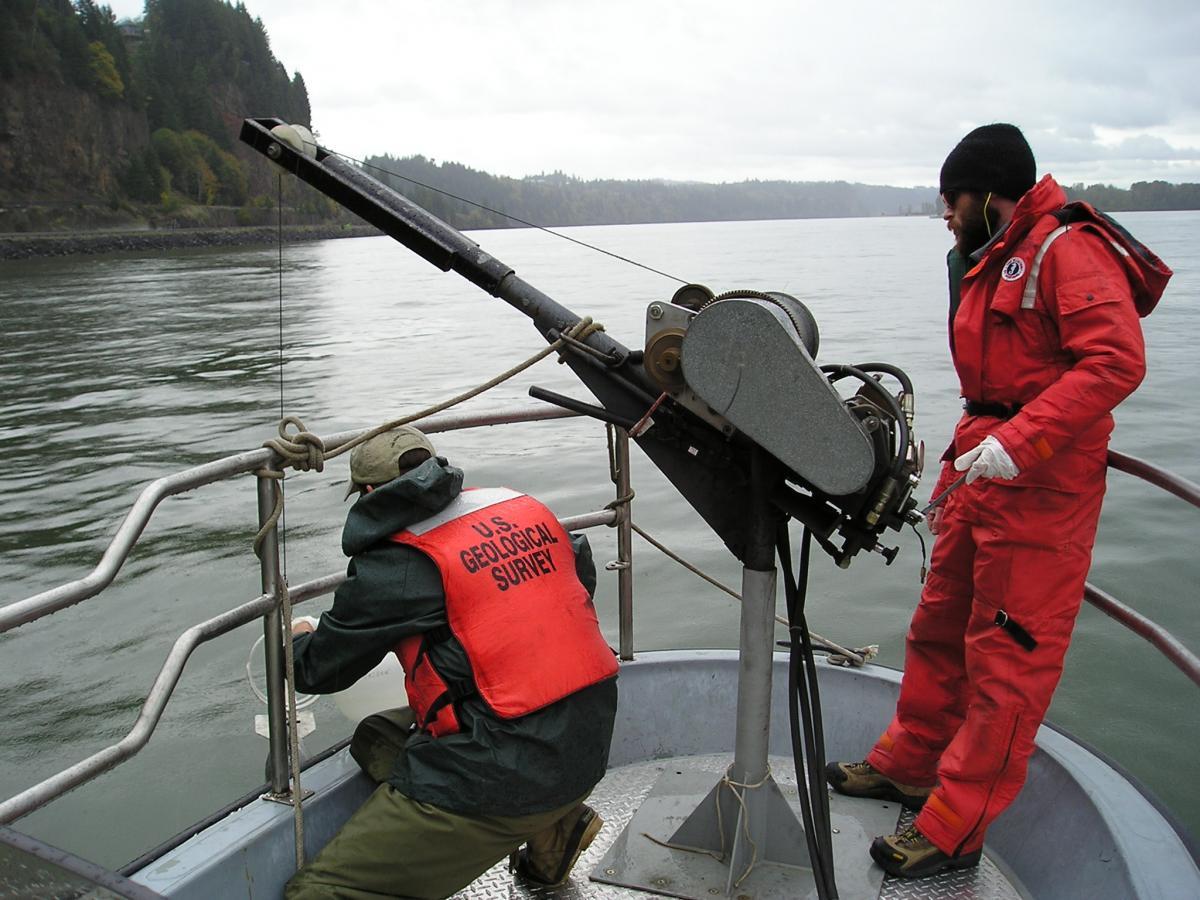
Over a three year period beginning in 2004, the Estuary Partnership worked with NOAA Fisheries and USGS to investigate toxic contaminants in the Columbia River by sampling water, sediment, and juvenile salmon. The investigation looked at how toxic contaminants and water quality issues are moving through the lower river and ultimately affecting salmon. This project encompassed water quality samples from 20 sites, fish samples from 90 sites, and sediment samples from 300 sites throughout the lower Columbia River.
Our Key Findings:
- PCBs, PAHs, and PBDEs are widespread in the lower river, both geographically and in the food web.
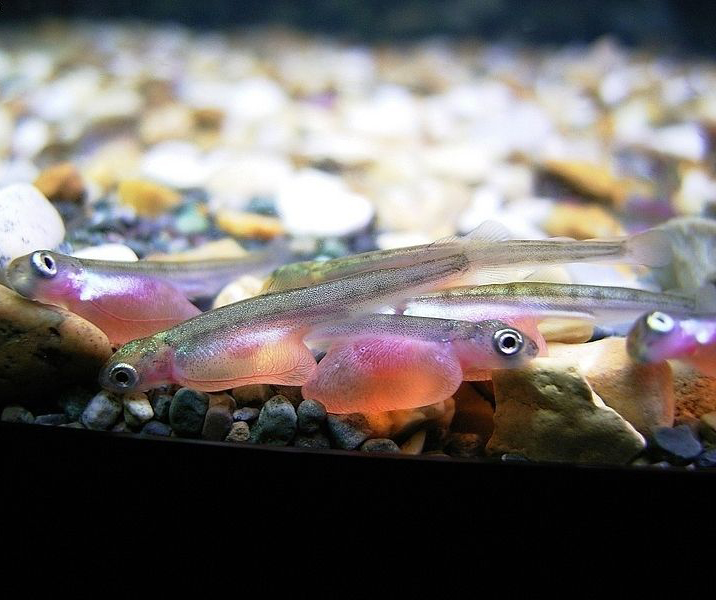
- Salmon are highly affected by toxic contaminants in the Columbia Basin.
- Urban and industrial portions of the lower river contribute significantly to contaminant levels in juvenile salmon.
- Juvenile salmon from upstream areas (e.g. the Snake River) are absorbing contaminants during their time rearing and feeding in the lower Columbia River.
- Juvenile salmon are accumulating DDT in their tissue and are exposed to estrogen-like compounds in the lower river.
- Copper concentrations were high enough to potentially interfere with crucial salmon behaviors (e.g. imprinting, homing, schooling, predator detection, predator avoidance, and spawning).
- The most common pesticides in the water are atrazine, simazine, and metolachlor, which are suspected hormone disruptors.
Bi-State findings (1989-1995)
The Estuary Partnership's predecessor, the Bi-State Water Quality Program, also conducted extensive studies on water quality and toxics. An integrated summary of findings from all of the reports is available here.
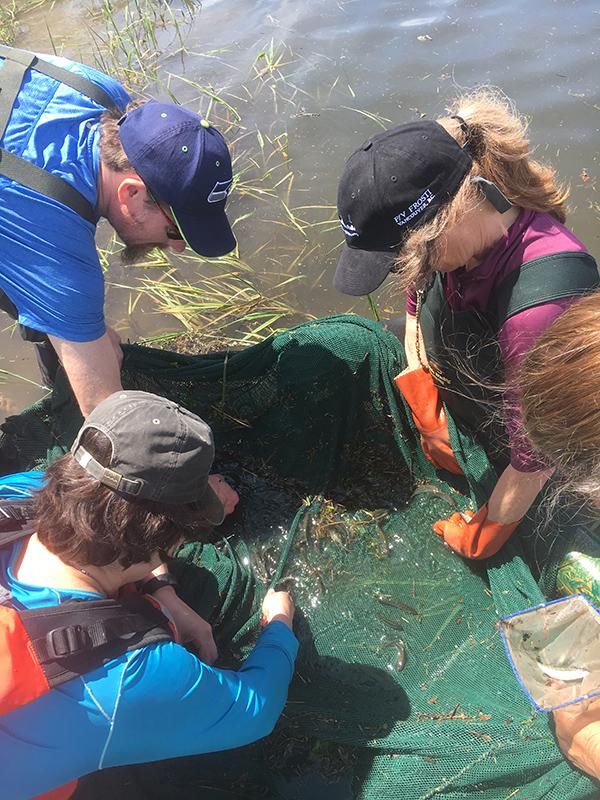
Key findings include:
- Many toxic contaminants are moving up the food chain and accumulating in the bodies of animals that eat fish. Reproductive abnormalities were observed in river otters, some of whom had concentrations of PCBs that exceeded healthy levels.
- Arsenic exceeded EPA water quality standards for drinking water and protection of human health (Fuhrer et al. 1996).
- Sediment contamination was highest near urban and industrial areas, with concerning levels of DDE (a breakdown product of DDT), PCBs, dioxins and furans, and PAHs.
- People who eat fish from the lower Columbia over a long period of time are exposed to health risks from arsenic, PCBs, dioxins and furans, and DDT and its breakdown products (Tetra Tech, Inc. 1996).